
In a country like the Philippines—where fault lines crisscross the islands and tremors are part of daily life—earthquake preparedness isn’t just important; it’s essential. At the heart of this preparedness is earthquake instrumentation: the technology that silently monitors, measures, and helps us understand the ground beneath our feet.
These instruments, ranging from simple sensors to advanced monitoring systems, do more than just record seismic activity. They provide life-saving data that supports everything from early warning systems to safe building designs. By understanding how these tools work and what they’re capable of, communities can make smarter decisions, reduce risk, and ultimately save lives.
Let’s explore how earthquake instrumentation plays a vital role in building resilience and ensuring a safer future for all.
Key Earthquake Instruments and Their Role in Safer Communities
To build earthquake-resilient communities, experts rely on various instruments that each play a critical role in understanding seismic activity. These tools are integrated into monitoring networks, allowing for real-time data collection, early warnings, and improved structural planning. Here are the most commonly used earthquake instruments and why they matter:
1. Seismometers (or Seismographs)
These sensitive devices detect and record ground vibrations caused by seismic waves. Seismometers are essential for identifying the magnitude, depth, and epicenter of an earthquake—information that’s crucial for issuing public alerts and understanding earthquake behavior over time.
They also help scientists identify active faults, track seismic patterns, and build a comprehensive record of earthquake history to improve long-term preparedness.
2. Strong-Motion Accelerographs
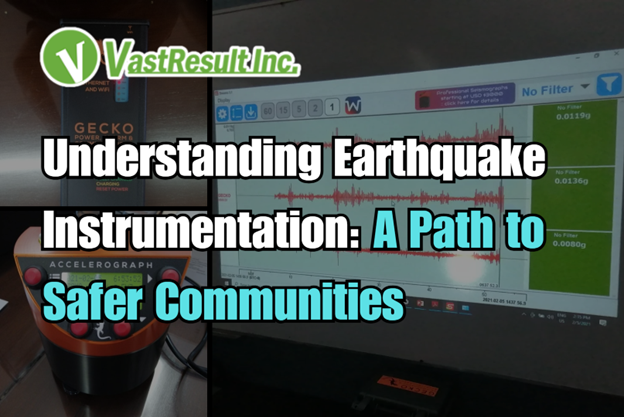
While seismometers detect small tremors, accelerographs focus on recording intense shaking during strong earthquakes. These instruments are typically installed in buildings, bridges, and other infrastructure to measure how structures respond during seismic events.
The data supports earthquake-resistant design, retrofitting efforts, and helps engineers understand structural vulnerabilities before and after major quakes.
3. GPS Monitoring Stations
Using high-precision positioning, GPS instruments track subtle ground movements that occur due to tectonic activity. They can detect slow shifts along fault lines or sudden displacements caused by earthquakes.
This continuous monitoring helps geologists understand crustal deformation and provides insights into regional seismic hazards and potential future earthquake zones.
4. Tsunami Detection Systems
Although designed for a different type of threat, these systems work hand-in-hand with seismic tools. Tide gauges and ocean-bottom pressure sensors help detect tsunami-generating quakes and provide early warnings to coastal areas.
When combined with earthquake data, these systems play a vital role in reducing the risks of tsunami-related disasters.
5. Earthquake Intensity Meters
These tools measure the severity of ground shaking at specific locations, offering real-time feedback on how an earthquake is experienced across different areas.
This data supports targeted emergency responses, helps validate building performance, and contributes to the improvement of structural codes based on actual ground shaking intensity.
Working Together for Safer Communities
These instruments form a powerful, interconnected network that provides critical data before, during, and after an earthquake. From issuing early alerts to informing safer urban planning and building designs, seismic technology has become an indispensable part of modern risk management.
Turning Earthquake Data Into Life-Saving Action
Earthquake instruments do more than just record shaking—they empower communities, engineers, and decision-makers to respond with clarity and confidence. By collecting real-time data and translating it into actionable insights, these tools are critical to saving lives, protecting infrastructure, and building a culture of preparedness.
But having the right instruments is only one part of the equation. To truly make the most of these technologies, organizations need expert guidance in selecting, installing, integrating, and maintaining seismic systems tailored to their environment.
At VastResult, we help you harness the power of seismic data with professional solutions designed for reliability and compliance.Let’s work together to build safer communities—one system, one building, one result at a time. Contact us at (02) 0804 0740 or email us at sales@vastresult.com to inquire.